Foods to Eat During Pregnancy
A balanced diet during pregnancy plays a vital role in supporting the health of both the mother and the developing baby. Eating nutrient-rich foods helps ensure healthy growth, strengthens immunity, and provides the energy needed throughout pregnancy.
Why is Nutrition Important During Pregnancy?
During pregnancy, your body requires additional nutrients to support your baby’s development. A healthy diet can reduce the risk of complications and promote a healthy pregnancy.
Essential Foods to Include
🥛 Dairy Products
Milk, yogurt, and cheese are excellent sources of calcium, protein, and vitamin D, which help in developing strong bones and teeth.
🥚 Eggs
Eggs are rich in high-quality protein, healthy fats, and choline, an important nutrient for your baby’s brain development.
🥬 Green Leafy Vegetables
Spinach, fenugreek, broccoli, and other leafy vegetables provide iron, folate, calcium, and fiber.
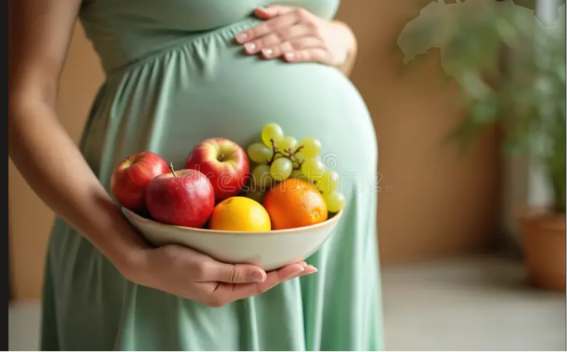
🍎 Fresh Fruits
Include apples, oranges, bananas, berries, and seasonal fruits to get vitamins, minerals, and antioxidants.
🌾 Whole Grains
Whole wheat, oats, brown rice, and millet provide energy, fiber, and B vitamins.
🫘 Lentils and Beans
Rich in protein, iron, and folic acid, legumes support healthy fetal growth.
🐟 Fish (Low Mercury)
Certain fish are rich in Omega-3 fatty acids, which support brain and eye development. Always consult your doctor regarding safe fish choices during pregnancy.
💧 Stay Hydrated
Drink at least 8–10 glasses of water daily to maintain hydration and support healthy blood circulation.
Foods to Limit or Avoid
- Raw or undercooked meat
- Unpasteurized milk and cheese
- Excess caffeine
- Alcohol
- Raw eggs
- Highly processed junk food
Healthy Eating Tips
- Eat small meals throughout the day.
- Include fruits and vegetables in every meal.
- Avoid skipping breakfast.
- Choose homemade food whenever possible.
- Follow your doctor’s dietary advice.
Frequently Asked Questions
How much water should I drink?
Aim for 8–10 glasses of water every day unless advised otherwise by your doctor.
Can I drink coffee during pregnancy?
Small amounts may be acceptable, but excessive caffeine should be avoided. Consult your healthcare provider.
Should I take supplements?
Yes, many pregnant women require folic acid, iron, and calcium supplements. Always take supplements prescribed by your doctor.
Is it okay to eat spicy food?
Moderate amounts are generally safe unless they cause discomfort such as heartburn.
Conclusion
Good nutrition is one of the most important aspects of a healthy pregnancy. A balanced diet combined with regular prenatal check-ups helps ensure the well-being of both mother and baby. For personalized nutritional guidance, consult your gynecologist.
Disclaimer: This article is for educational purposes only and should not replace professional medical advice. Always consult your healthcare provider for dietary recommendations during pregnancy.